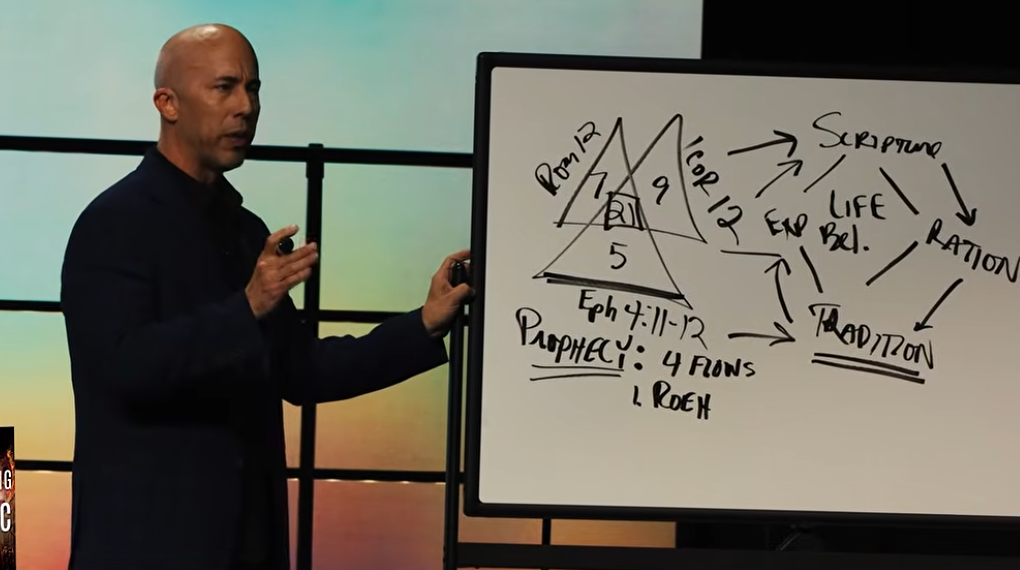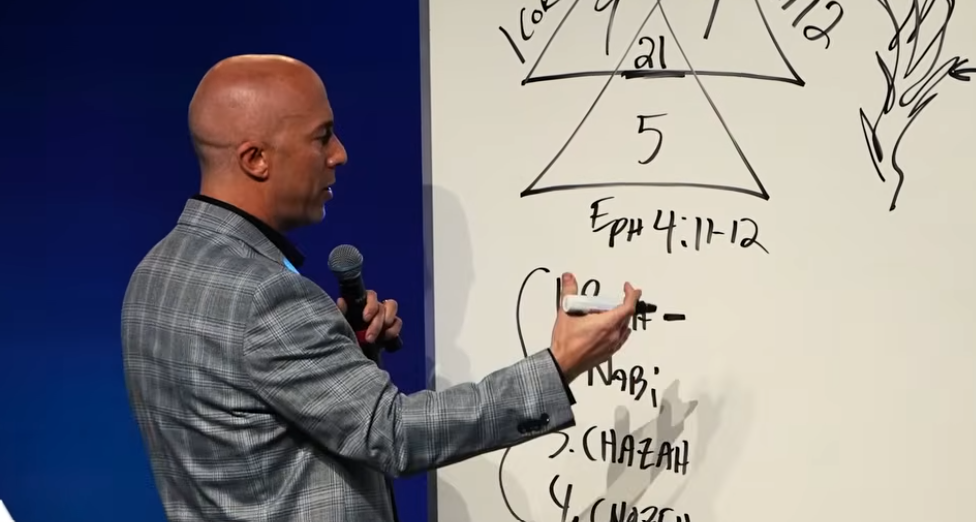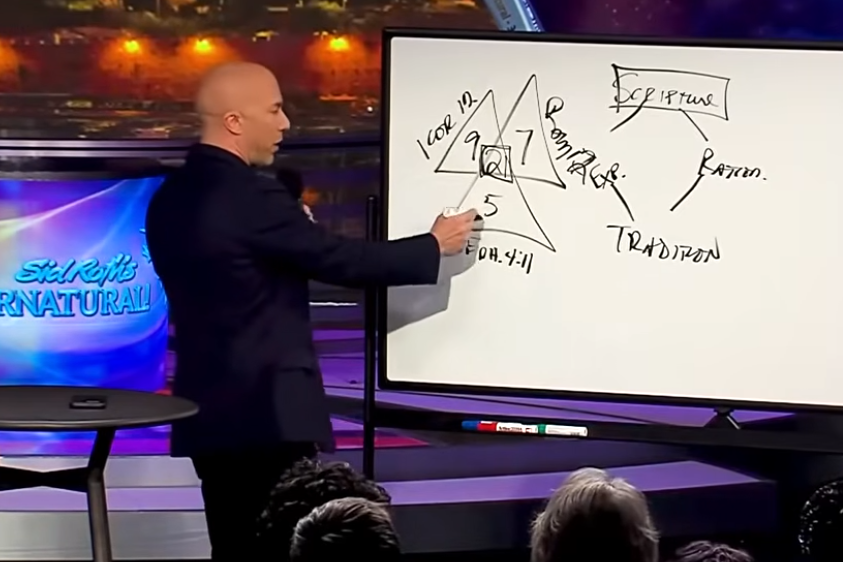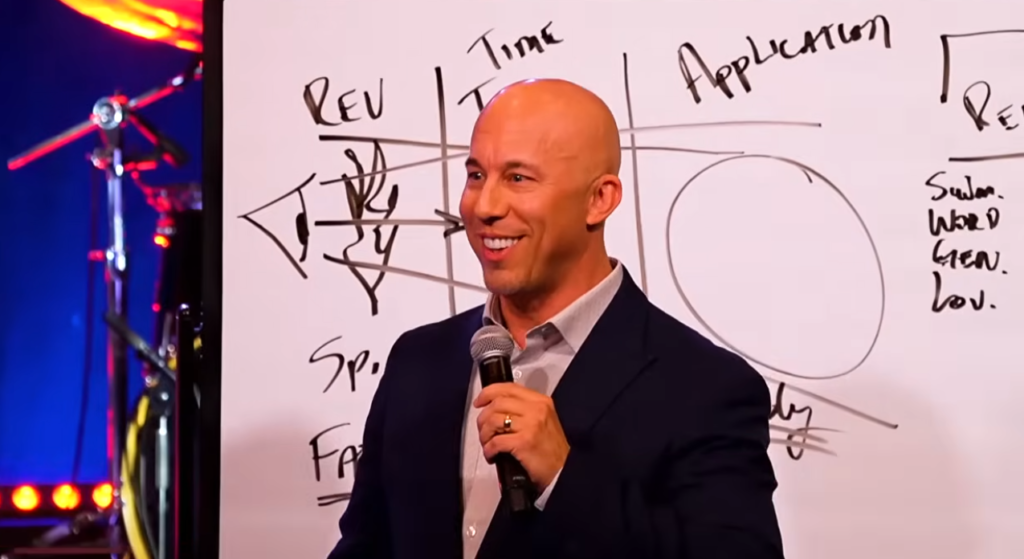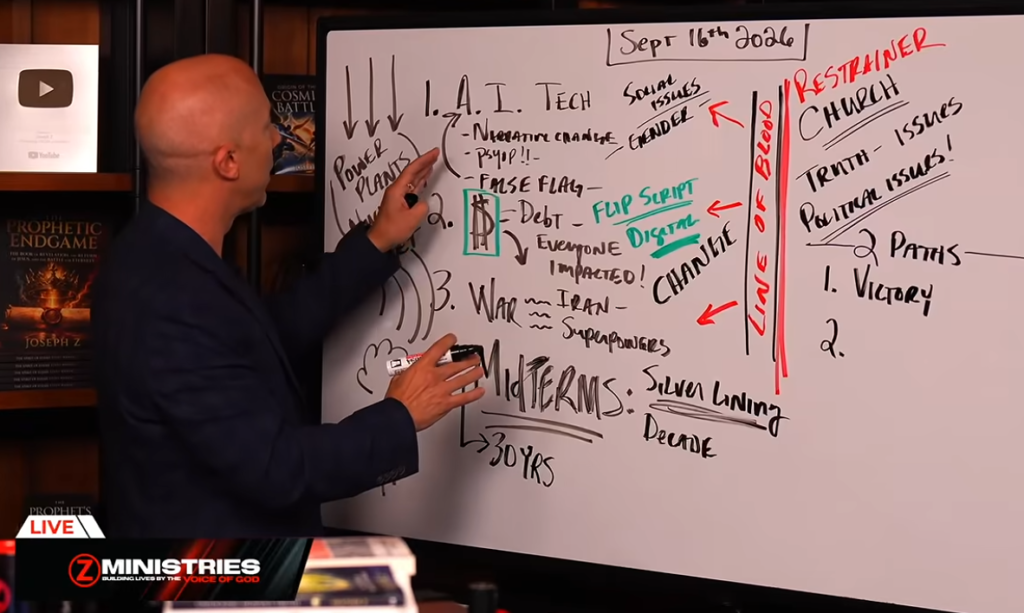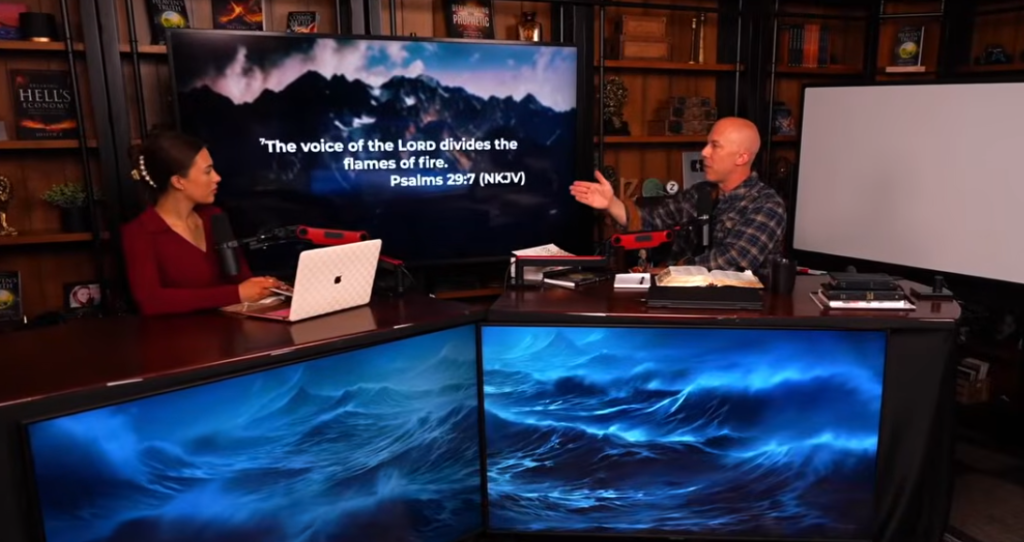
The Body of Christ is made up of twenty-one gifts working together: the fivefold ministries, the nine manifestation gifts, and the seven motivational gifts (see Ephesians 4:11, 1 Corinthians 12:8-10, and Romans 12:6-8). Together, they are what God has called His people to be. Many believers are simply out of joint right now, not really knowing where they fit inside that whole.
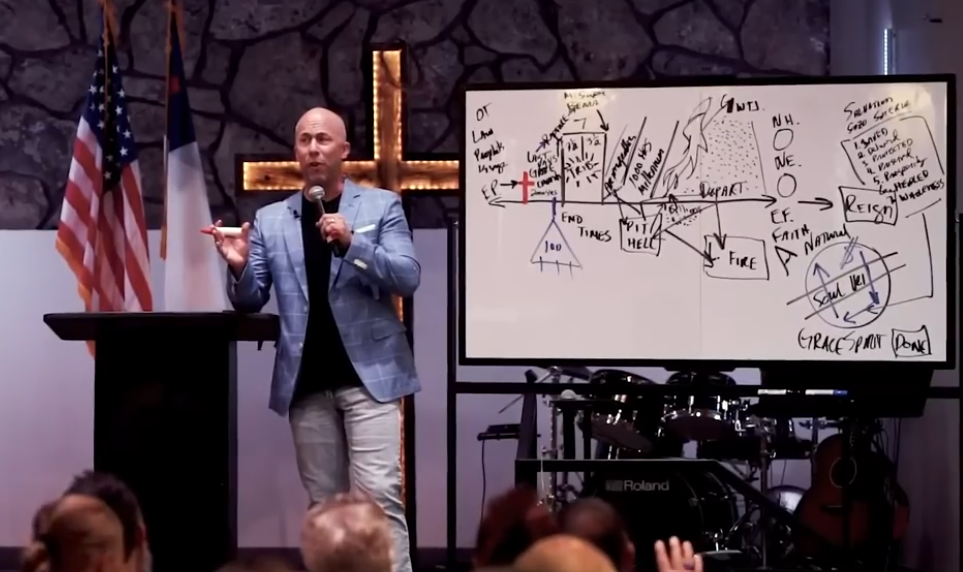
Although the gifts vary, the ultimate purpose never changes. You have the calling to glorify God with your entire life, and it is settled the moment your identity is in Him. Vision and calling grow out of that purpose, but a vision has to survive contact with time, which can run months, years, or decades before it lands. Between purpose and the fulfilled vision sits the mission, which is rarely a straight line. It takes strategy, the Holy Spirit, and finding the right people to walk with.
Along the road of your journey, come transitional graces. These are moments of recalibration, crisis, loss, marriage, and moving. There can also be seasons of obedience and seasons of missing it and starting again. None of that disqualifies anyone. It is simply what the mission looks like on the way to the target.
Transitional grace does not look the same for everyone. Some people relocate entirely, finally landing where they were always supposed to be. Others go back to the same assignment they already had, only now carrying a fresh anointing to outgrow whatever had kept them small inside it. Some discover after enough time and obedience that the target itself needed adjusting. What can be miss after miss can turn into growth and learning that the real target was slightly off from the one being aimed at the whole time. The correction comes through the tribe and gifts that were already in play.
Defeating the Mystery
Somewhere in that process, mysteries can show up. Sometimes it looks like prayer that does not resolve the way it was expected to, a Word from God that has not yet unfolded, or a promise that still looks far away. The instinct is to change the doctrine because the outcome has not shown up yet; however, that should be resisted.
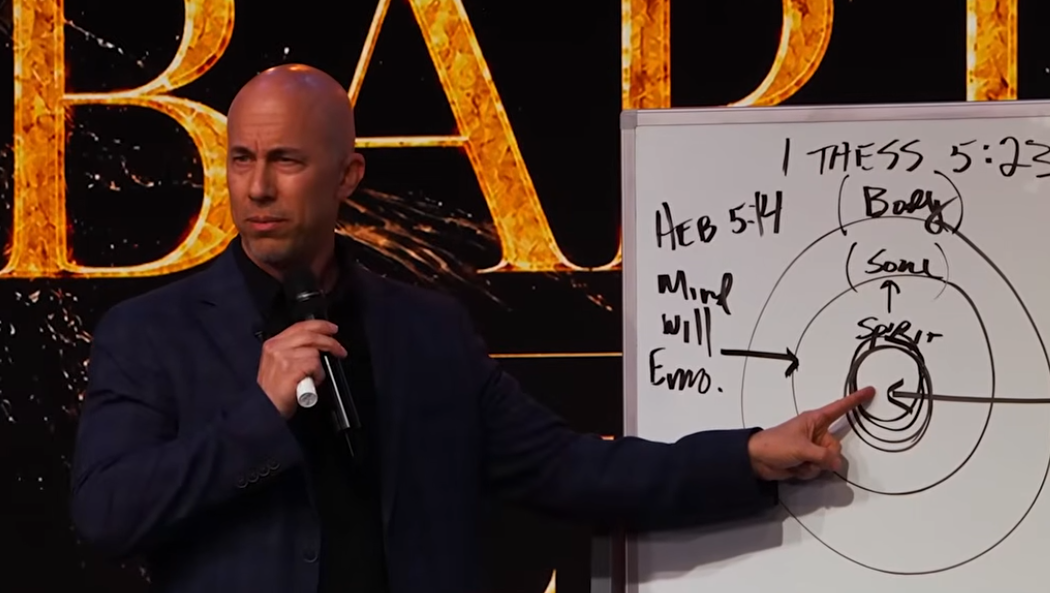
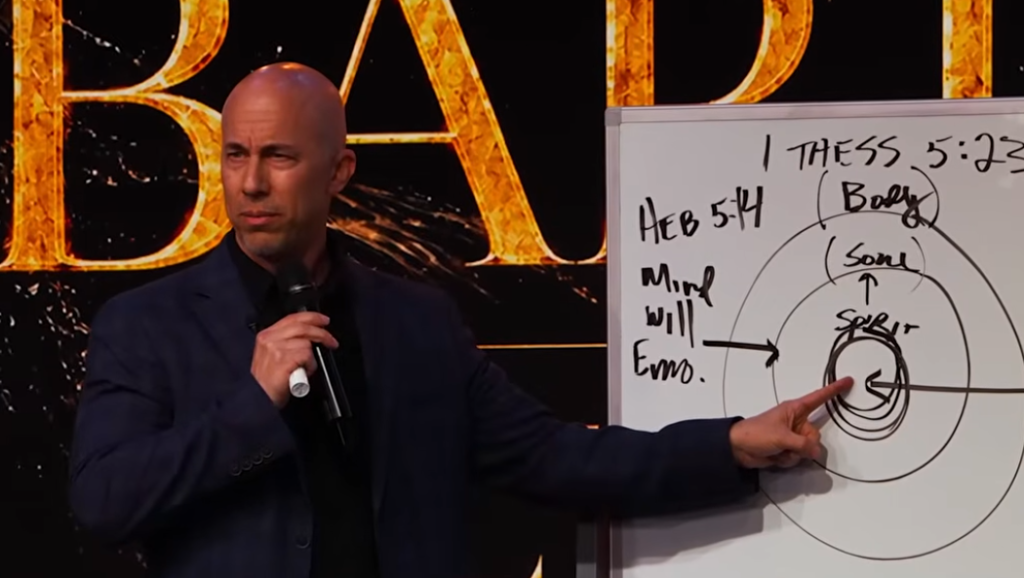
But solid food belongs to those who are of full age, that is, those who by reason of use have their senses exercised to discern both good and evil.
—Hebrews 5:14
Discernment is built through faith, patience, and a third element that has to be added when the first two seem to run out entirely: endurance.
That you do not become sluggish, but imitate those who through faith and patience inherit the promises.
—Hebrews 6:12
Faith and patience keep a person the same as when they started, holding a settled position rather than drifting from it. Endurance is what carries a person through when the timeline stretches far past whatever was originally expected, absorbing every blow along the way without giving up ground. A lot of believers are not actually defeated by unbelief. Most often, believers are defeated by time. This is not a theory.
Heather spent nearly three years on dialysis, including a stretch with blood clots working their way toward her brain, before a miracle transplant and a full recovery. Our daughter had died in the womb and then we prayed, and she came back. Our son could not speak for years, shaking in a corner while specialists tried and failed to get him to make eye contact. Now he is healed and has grown to work on the ministry’s own media team. None of that unfolded on a convenient timeline, and none of it changed the truth of the Word of God the whole way through.
God’s sovereignty gets misunderstood in the middle of seasons like that. He has not obligated Himself to control every event; He has limited Himself to His own word and empowered His Church to act as His hands and feet on the earth.
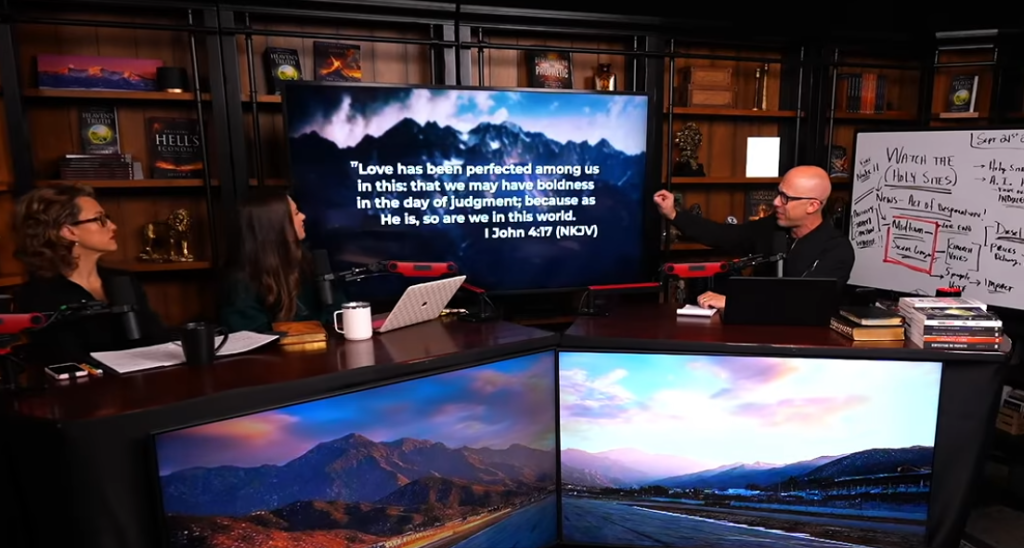
Love has been perfected among us in this: that we may have boldness in the day of judgment; because as He is, so are we in this world.
—1 John 4:17
A believer carries real authority in that arrangement, but the natural mind, will, and emotions are where the fight can actually be lost. It happens when the mystery and the passing of time are allowed to team up and quietly rewrite what a person believes God is like.
Part of what makes time such an effective liar is that human beings were never actually built to end. Nobody can genuinely picture nothingness; the closest anyone gets is closing their eyes and imagining darkness, which is not nothingness at all. That instinct exists because people were made a spirit that lasts forever, which is exactly why the grief of losing someone never computes clearly, even for those with a solid, settled faith. There is a real mystery built into living as eternal beings inside a fallen, temporary world, and it creates a tension that faith counters rather than fully resolves.
The Yoke at Thirty, Sixty, and a Hundredfold
Isaiah gives the anointing’s effect on a yoke in three distinct stages, not one instant event.
It shall come to pass in that day that his burden will be taken away from your shoulder, and his yoke from your neck, and the yoke will be destroyed because of the anointing oil.
—Isaiah 10:27
The burden lifts off the shoulder first. That is a thirty-fold place: real relief, a fresh breath, a sense of being lighter. Many people stop there and stay content simply feeling freer. The yoke then loosens off the neck, a sixty-fold place where the head can finally turn, and actual vision comes into view, a clear sense of calling rather than a vague hope of one. The full destruction of the yoke, the hundredfold place, comes only after vision is actually obeyed rather than just received, through faith, patience, and endurance, until the containment can no longer hold and simply falls away for good.
Jesus warned that in the last days many false prophets would arise and deceive many (see Matthew 24:11). The Greek word for “deceive” carries the sense of causing someone to wander.1 Confusion, clutter, and wrong voices are exactly what push people off the path of their real calling and into wandering toward whatever looks bright and shiny instead. Finding the right tribe is what corrects that drift. Purpose can be settled alone with the Holy Spirit, but calling and gifting tend to surface in the company of the right people.
Not every circumstance is under direct divine control in the way it often gets described. God is sovereign, but He has bound Himself to His own word rather than to micromanaging every event, because He has chosen to work through His Church rather than around it. Where His word gives an assignment, that assignment belongs to the people carrying it, not to God working alone while everyone waits. He told the Church to go into all the earth and preach the gospel, and it still requires someone willing to go do exactly that.
The Legacy You Don’t Have to Repeat
At thirteen, following Jesus cost my household. My father drew a hard line: Follow this Jesus or stay in the family, not both. The choice was Jesus, and it meant being cut off completely.
My grandfather’s steady, faithful presence and sense of humor filled a great deal of what was missing after that. He was a multimillionaire with a ridiculous sense of humor who once swapped a roast in the oven for a log and let his wife take the blame for the smoke. Another time, he was on his own deathbed and pretended to have already passed just to get a laugh out of a visit. That kind of steady, joyful presence mattered more than it might sound like it should. Following Jesus at thirteen never produced the sense of being an orphan or an outcast. I had a grandfather willing to laugh through hard seasons, which is part of why the family rupture never produced what people may have expected it to leave behind.
Years later, as an adult with a family of my own, one visit back to make peace went a different way than intended. The greeting was a flat denial of any relationship at all. I had memories flood my mind of real harm done to people who could not defend themselves, and for a moment the pull toward violence was real enough to feel entirely justified, consequences included. What broke that moment was not willpower. It was the Holy Spirit’s voice cutting through it: “Son, what are you doing? I love you.”
When I resisted that temptation, it didn’t require pretending that nothing happened. It required one honest sentence. It wasn’t “I forgive you,” which would have been degrading to him. Instead, I said, “I love you. I understand, and I hope you find Jesus.” The door closed anyway. I walked out of that room without shame, no feeling of being orphaned, and not needing the last word. Doing this was its own kind of hundredfold.
So Jesus answered and said, “Assuredly, I say to you, there is no one who has left house or brothers or sisters or father or mother or wife or children or lands, for My sake and the gospel’s, who shall not receive a hundredfold now in this time—houses and brothers and sisters and mothers and children and lands, with persecutions—and in the age to come, eternal life.”
—Mark 10:29-30
A hundredfold promise is not a license to chase wealth purely for its own comfort or convenience. Some are genuinely called to real financial increase, but the purpose behind it never changes. It is to fund the gospel’s advance and establish His covenant across the earth, not personal appetite. It comes with persecutions attached in the very verse that promises it, not a trouble-free upgrade, and that qualifier is easy to skip past when only the houses and lands get quoted.
The pattern shows up in small rooms as easily as large ones. I was asked to pray for three minutes at a secular business conference, with almost no believers in the room. The Holy Spirit pointed to one man in the third row and said simply to tell him he had been brought there by God, not the universe. That man, who had walked in from a bar next door, had told people beforehand he wanted nothing to do with God. When he heard, he ran to the front on his own and prayed to be saved. In the same few minutes, a woman across the room called out that decades of chronic back pain from a botched surgery had vanished the instant the first prayer was spoken. Neither outcome was planned or staged. Both simply followed one clear prompt from the Holy Spirit taken at face value instead of argued with.
Strike the Ground
There is a story in the Bible of a king who came to a dying prophet for a word about his enemies. He was told to shoot an arrow out the window and then strike the ground with the rest of his arrows. The king struck the ground three times and stopped there, and the prophet grew angry that he had not struck the ground five or six times instead (see 2 Kings 13:14-19). A vision received still asks something of the person who received it. Faith is a transaction, not a spectator sport, and the strike has to actually happen, repeatedly and without holding back, for the promise attached to it to land in full rather than only partway.
Whatever legacy handed down a wound, a limitation, or an idea of what was possible, transitional grace is built to outgrow every bit of it, one obedient step at a time. That includes generational patterns nobody has gotten around to naming yet, whatever place someone has stayed too long without shaking loose. It does not matter what history is attached, who came against a person, lied about them, or rejected them along the way. The word over all of it is the same: It is over, and the call now is simply to follow, higher than before.
Jesus is Lord over your whole process, from the very first step of it to the very last.
For Jesus,
Joseph Z
Notes:
Click here to watch the full video.