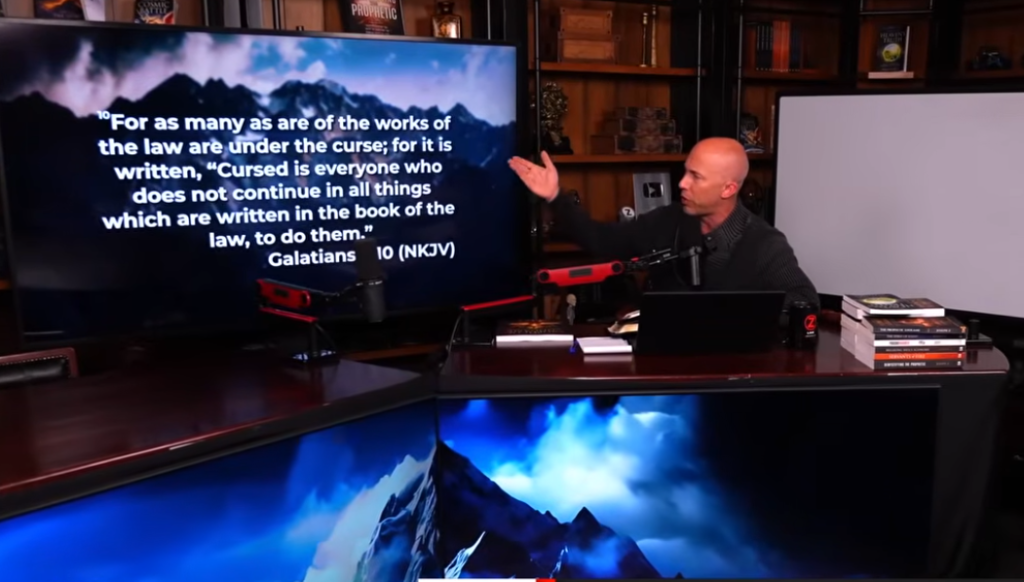
When you become born again, it is not simply about having a kind of fire insurance against judgment. The new birth comes with an assignment, a specific calling inside the Kingdom. A believer should not simply pick whichever church suits personal preference; rather, they should go where they are sent because they are called to a particular placement in the body of Christ.
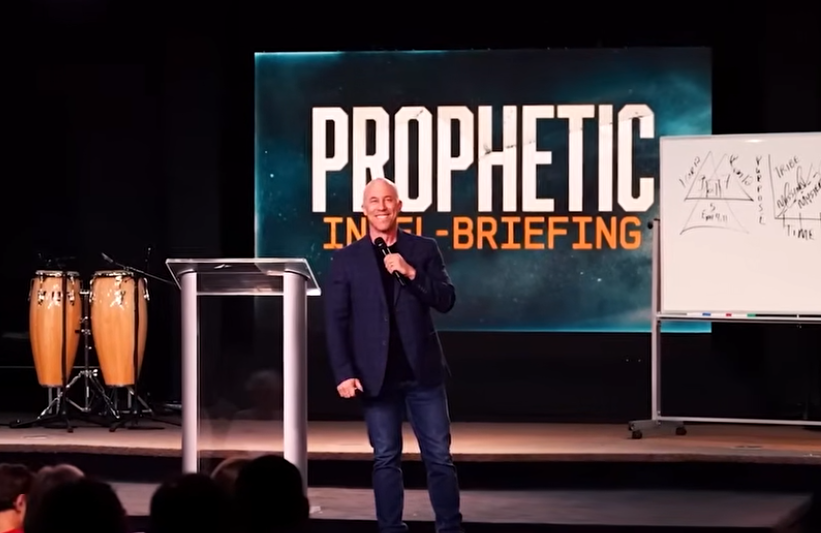
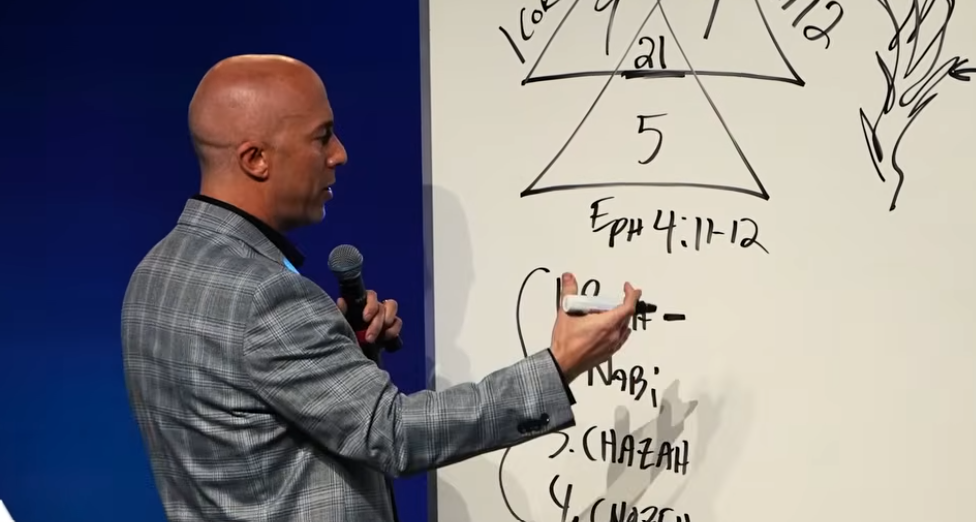
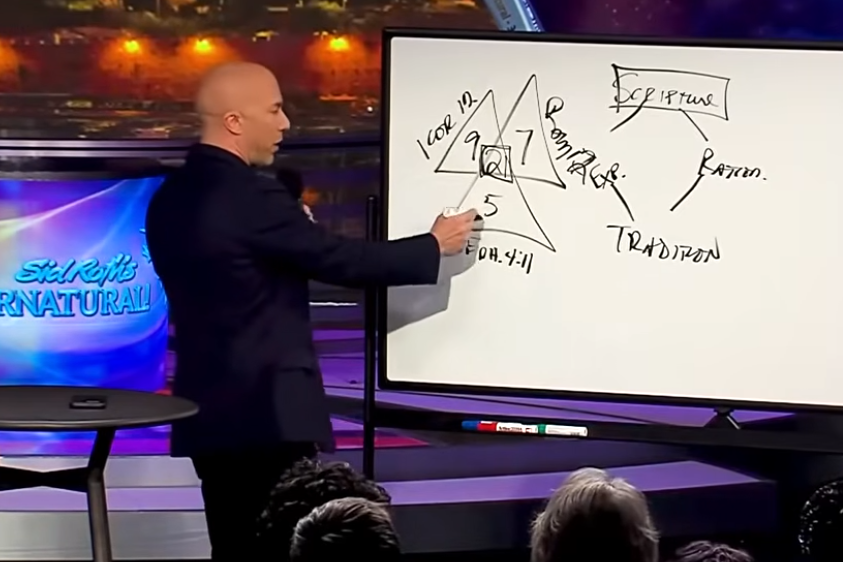
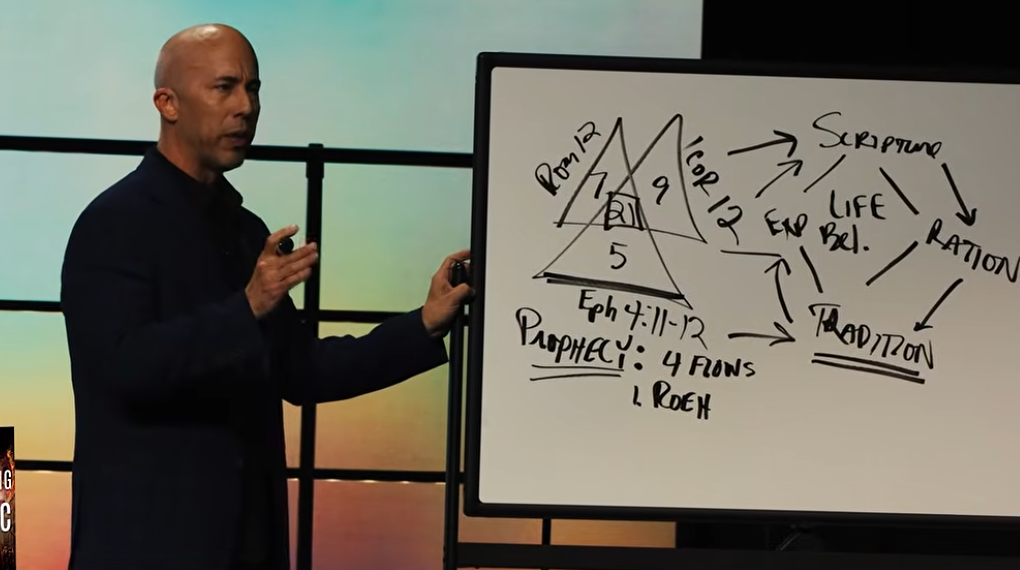
Picture the body of Christ as one whole made of several overlapping parts. It consists of the five-fold ministry of the apostle, prophet, evangelist, pastor, and teacher (see Ephesians 4:11-12). There are nine manifestational gifts of the Spirit, and seven motivational gifts that shape how each person serves (see 1 Corinthians 12:8-10; Romans 12:6-8). Altogether, it’s twenty-one gifts that make up the functioning body of Christ.
Placement matters just as much as understanding the Word. Every believer has somewhere specific they belong inside the body of Christ, the way every joint supplies its own part so the whole body can build itself up (see Ephesians 4:16). Placement is not necessarily wherever happens to be the easiest economic step at the time.
When a family feels unsettled, out of alignment, or stuck, the real question worth asking is whether the move that got them there was simply convenient, or whether it was actually where God sent them. The good news is that a wrong step can still be turned around; God is able to hand someone a plan B that outperforms the plan A they thought they wanted. Seeking the Kingdom first is what causes everything else to fall into its proper place (see Matthew 6:33).
Asking the Question: Why?
Most people inside a church today do not fully know what they believe or why, which is exactly why sound teaching matters so much. Sitting under real, revelatory teaching opens up more than what is simply said out loud from a platform. The Holy Spirit begins directing and guiding a life well beyond the words that were spoken from the pulpit.
John Wesley described what shapes the life of a believer as a kind of quadrilateral built from scripture, tradition, experience, and reason. Ask most Christians why they believe what they believe, and the answer comes back the same way every time: because the Bible says so. However, in practice, most absorb whatever tradition belonged to the person who led them to Christ, and then quietly call that tradition scripture.
There has been a lot of talk in recent years about deconstructing the faith and asking why a person believes what they believe. I believe this is a healthy question to sit with. However, taken too far, deconstruction strips faith down to bare, linear logic. Scripture does produce real common sense and insight, but its highest purpose is not to make sense; it is to make faith.
When tradition and scripture collide, most people run straight back to the comfort of tradition instead of asking what the Bible actually says. Tongues are a common example. Many reject the gift outright on the strength of a verse pulled out of its setting. A text without its context is only a pretext. If you torture the data long enough, it will confess to whatever the tradition demands of it.
Change needs to happen when a personal experience lines up with what the scripture says; the tradition needs to change, not the Word of God. Reason and rational thinking still matter in that process; they are simply never meant to outrank the Bible itself.
None of this is an argument against thinking carefully. Instead, it is an argument for putting things in the right order. Scripture comes first, then tradition needs to be tested against it, experience weighed against both, and reason applied to the whole picture. If you flip that order, a person ends up defending a tradition instead of actually walking with God.
Reading Until it Speaks
Walking in the fullness of what God has for His people starts with a deeper relationship built on the written Word. Read the Bible until it begins to talk back to you, starts shaping convictions and decisions, and you wake up on the inside. This is the key to stepping into the prophetic: Read the Bible and sit under healthy teaching. The best form of deliverance is ongoing good teaching, and it will prepare you for the prophetic.
It is the Spirit who gives life; the flesh profits nothing. The words that I speak to you are spirit, and they are life.
—John 6:63
The Word of God is the one tangible piece of the Spirit available in the natural world. It exists to wake up what has been dormant on the inside of a person. Once a believer settles into that place and tests tradition against Scripture rather than the other way around, the gifts themselves become far easier to understand.
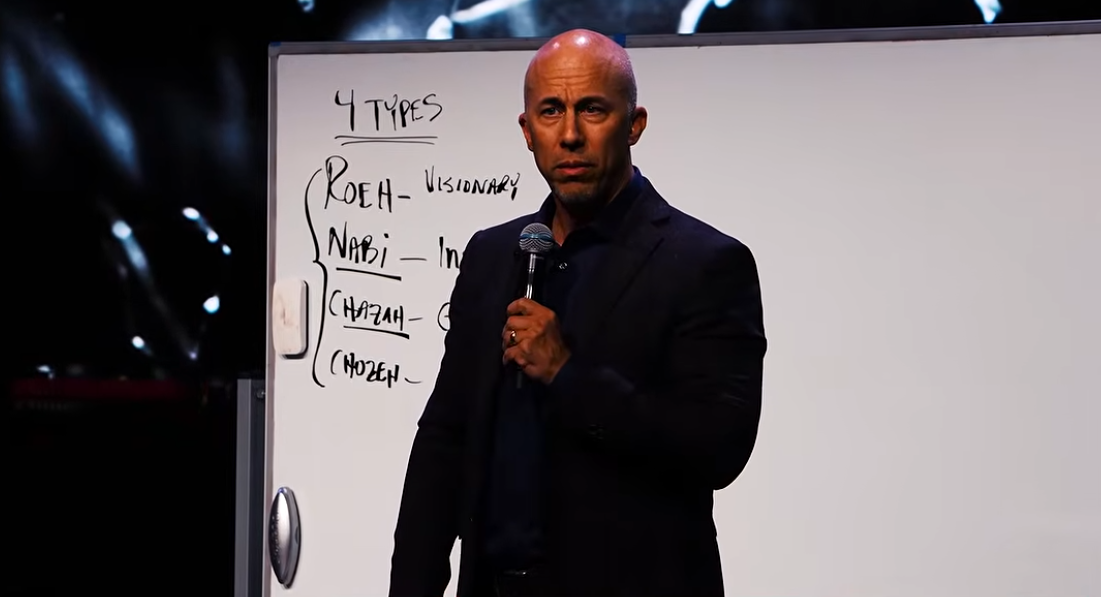
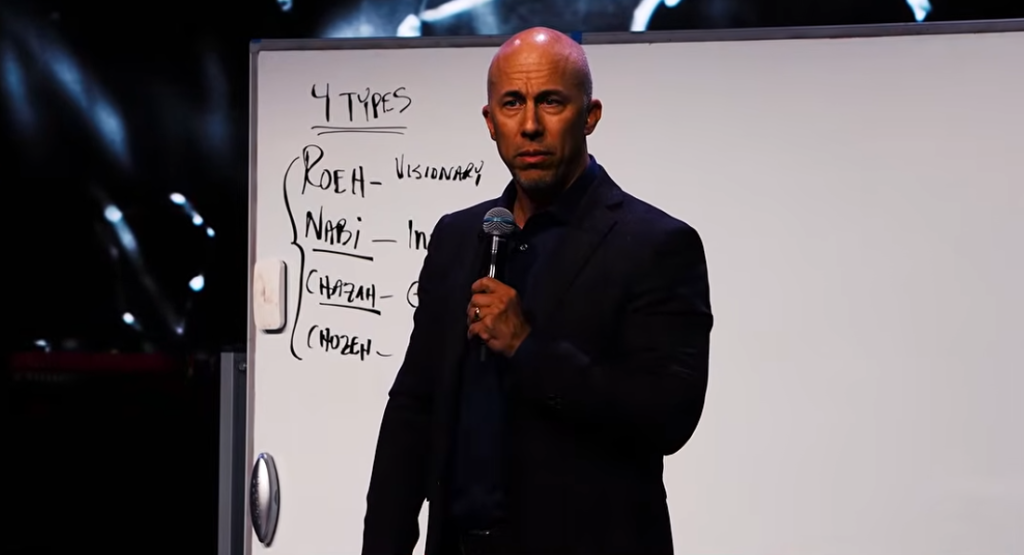
There are four fundamental flows of prophecy, and every believer can move in any of them under the unction of the Holy Ghost, not only those recognized as prophets.
Roeh is a visionary unction, the kind that mobilizes people and movements the way a strong leader instinctively rallies a room around a vision before anyone else can see it. Even outside the Church, strong leaders often carry a version of this, a gut-level instinct for where to go next. Inside the Church, it is meant to be submitted to the Spirit rather than to raw personality.
Navi is an inspirational, on-the-spot anointing. The flow of Navi is an in-the-moment message change because something fresh is rising up. A pastor who studies all week carefully and then finds the Lord redirecting the message entirely once they reach the pulpit is operating in navi. Anyone who has sensed a sudden, specific prompting to go somewhere or say something has been in that flow.
Chazah means to gaze, to stare intently, and it is where a word of knowledge comes from. Scripture gives a vivid picture of it in the prophet Elisha.
Then he set his countenance in a stare until he was ashamed; and the man of God wept. 12And Hazael said, “Why is my lord weeping?” He answered, “Because I know the evil that you will do to the children of Israel: Their strongholds you will set on fire, and their young men you will kill with the sword; and you will dash their children, and rip open their women with child.” 13So Hazael said, “But what is your servant—a dog, that he should do this gross thing?” And Elisha answered, “The Lord has shown me that you will become king over Syria.”
—2 Kings 8:11-13
Elisha was not staring at Hazael out of habit. He was gazing until a vision opened up, and what he saw of the coming kingdom brought him to tears. He was operating in Chazah, a fixed, intent gaze that yields a word of knowledge about what is already set in motion.
The fourth flow, Chozeh, is different from all the rest. It is an involuntary trance the Holy Spirit can bring, the kind Daniel and John the Revelator stepped into when they were shown what was still to come. Nobody can summon it by personal choice. These trances belong entirely to the jurisdiction of the Holy Ghost, on His timing alone.
Metaphors Reign Where Mysteries Reside
People often attach a colorful label to something in Scripture that they have never personally tested or fully understood. That label quietly becomes a substitute for actually working through what the Bible teaches. Here is sound counsel: When a prophetic word does not bear witness with a person’s spirit, put it on a shelf, and let it be established by two or three witnesses before acting on it.
Many people use the term “put it on the shelf” because of how prophecy is so often misused. A stranger offering an unsolicited word in a parking lot, the kind that announces a future marriage or a sudden windfall, deserves exactly that kind of caution. Nine times out of ten, a genuine word will confirm something already stirring quietly in a person’s spirit rather than introduce something completely foreign.
However, that counsel does not cover every case. Naaman the leper was not handed a word to quietly confirm over time; he was told plainly to go dip in the Jordan, and obedience was the only path to the healing he was promised (see 2 Kings 5:10-14). Jesus prophesied the destruction of Jerusalem decades before Rome ever carried it out, and the disciples carried the weight of that word long before any other witness could confirm it for them. Acts chapter eleven gives one of the clearest pictures in Scripture of how a real, specific Word from God is meant to land on a church.
And in these days prophets came from Jerusalem to Antioch. 28Then one of them, named Agabus, stood up and showed by the Spirit that there was going to be a great famine throughout all the world, which also happened in the days of Claudius Caesar. 29Then the disciples, each according to his ability, determined to send relief to the brethren dwelling in Judea. 30This they also did, and sent it to the elders by the hands of Barnabas and Saul.
—Acts 11:27-30
Notice the church did not react in panic to the prophecy about the famine. Nobody dug a hole in the ground, stockpiled weapons, or treated the neighbors as the threat to prepare against. The church mobilized instead, and sent aid to the very region the famine was going to strike hardest. Sound teaching produces exactly that kind of response. When the Spirit shows what is coming, the right reaction is action and generosity, not fear and barricading.
Glance at Goliath, Gaze at God
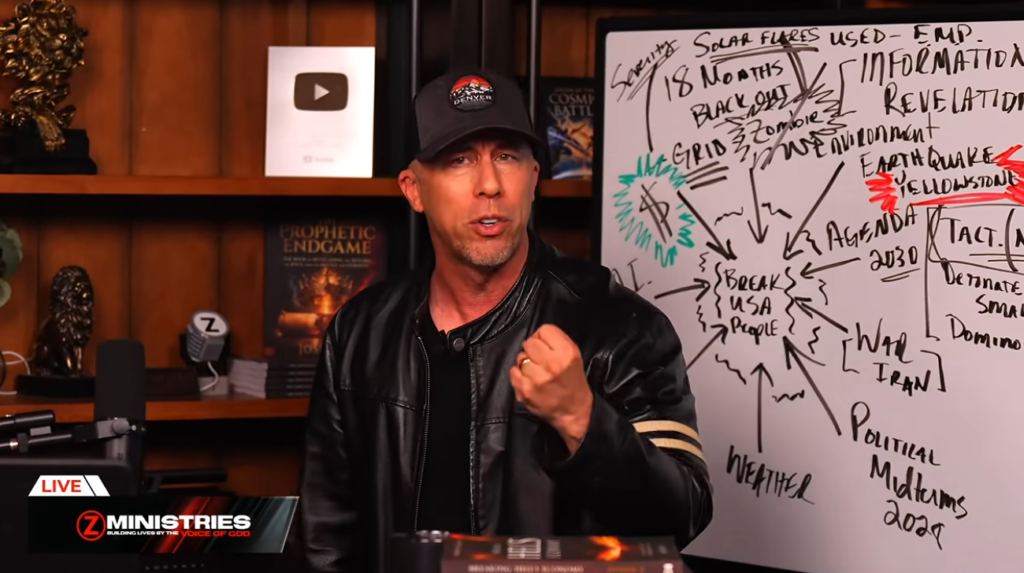
If you let an obsession with hidden agendas and conspiracy chatter be at the forefront of your mind, it will be used in place of your faith. Scripture talks about that pattern: always learning, yet never able to arrive at the full knowledge of the truth (see 2 Timothy 3:7). It becomes a loop, circling the same questions again and again without ever landing anywhere solid.
Many conspiracies carry a kernel of truth; however, don’t continually chase down every thread of truth. Instead, believers need to trust God with what has not yet been revealed. A voice that simply predicts darkness around every corner will eventually be right about something, the way a broken clock is right twice a day, but that alone does not make it a voice worth building a life on.
Once, during a meeting, I called out a spirit of conspiracy and the cycle of going round and round, never arriving anywhere. While I was speaking, I was rushed on the platform by a man who needed prayer to be freed from the cycle. The pattern is real, and so is the freedom available from it. The goal is never to dismiss every hard question. It is to keep the loop from becoming the whole of someone’s faith.
While you shouldn’t get caught up in conspiracy, don’t ignore what is actually happening in the world day to day. Keep the right point of focus: Glance at Goliath, but gaze at God. The Church was never called to merely watch events unfold from the sidelines while staying anxious about them.
Christ lives in you, the hope of glory (see Colossians 1:27). The call on every believer is to act in tandem with Him rather than simply wait and worry. God is working through us, and His plan is entirely different than the outcome the culture keeps predicting.
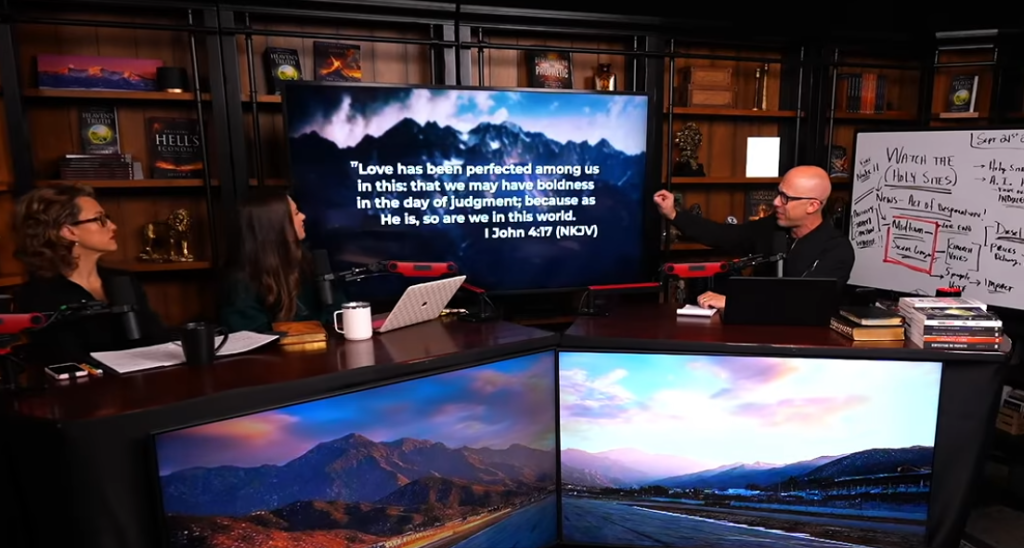
Love has been perfected among us in this: that we may have boldness in the day of judgment; because as He is, so are we in this world.
—1 John 4:17
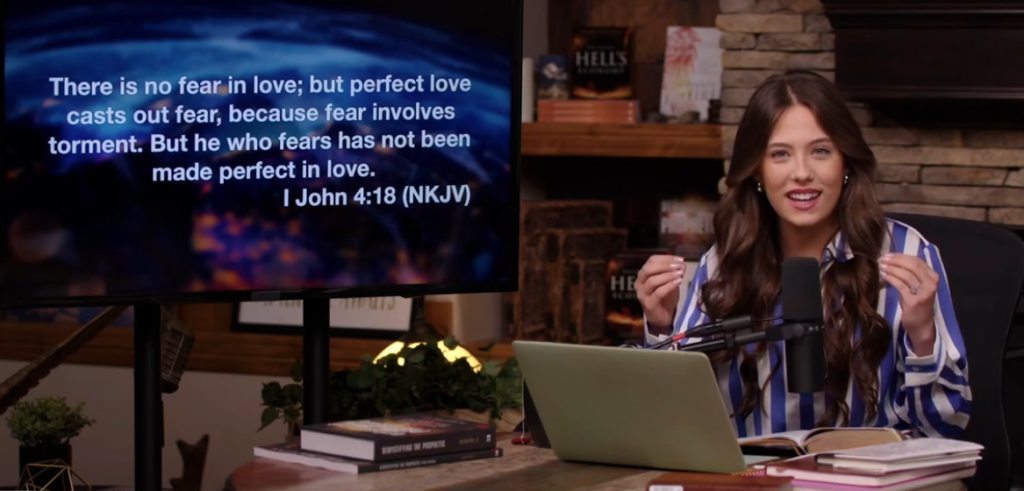
1 John 4:18 is the heart of the great commission. It was never only a mission handed down from a distance for people to carry out in their own strength. Christ Himself is working in and through His people in real time. When He speaks, the church is meant to move with Him, not merely to listen and wait for someone else to act.
It’s important to stay in the love of God, renew our minds to the Word of God, and glance at Goliath while gazing at God. Jesus is with you, and remember: On a bad day, you are anointed to be the best there is!
For Jesus,
Joseph Z
Click here to watch the full video.